
Bottom line: The EqualDx Food Allergy Test is the only at-home kit using real IgE antibody testing — the same method your doctor uses. AllergyHero and 5Strands use IgG sensitivity screening — useful for identifying patterns, but not diagnostic for true allergies.
If your child keeps reacting to something and you can’t figure out what, or your pediatrician mentioned allergy testing, this guide covers everything — from at-home kits you can order on Amazon today to what to expect at a doctor’s office.
Quick Picks: At a Glance
| # | Kit | Why We Like It | Method | Shop |
|---|---|---|---|---|
| 1 | EqualDx Food Allergy Test | Only at-home IgE kit — same method doctors use. No finger prick, kid-friendly. | IgE | View on Amazon |
| 2 | EqualDx Food + Environmental Combo | 40 IgE allergens covering food and environmental triggers in one panel. | IgE | View on Amazon |
| 3 | AllergyHero 295-Trigger Kit | Wide screening across 295 foods and environmental factors. | IgG | View on Amazon |
| 4 | 5Strands Sensitivity Test | Best budget option for exploring food sensitivities. | IgG | View on Amazon |
One Thing to Know Before You Buy: IgE vs. IgG
Not all allergy tests work the same way — and most Amazon kits don’t tell you this upfront.
IgE tests measure antibodies linked to true allergic reactions (hives, swelling, anaphylaxis). This is what doctors use, and the only method that can diagnose a real allergy.
IgG tests are sold as “food sensitivity” tests. Most major medical organizations don’t consider IgG testing valid for diagnosing allergies. They can identify sensitivities, but can’t confirm a true allergy.
The EqualDx kits use IgE. AllergyHero and 5Strands are sensitivity screens. Both have their place — you just need to know which you’re getting.
Full Reviews
1. EqualDx Food Allergy Test — Best IgE Test at Home
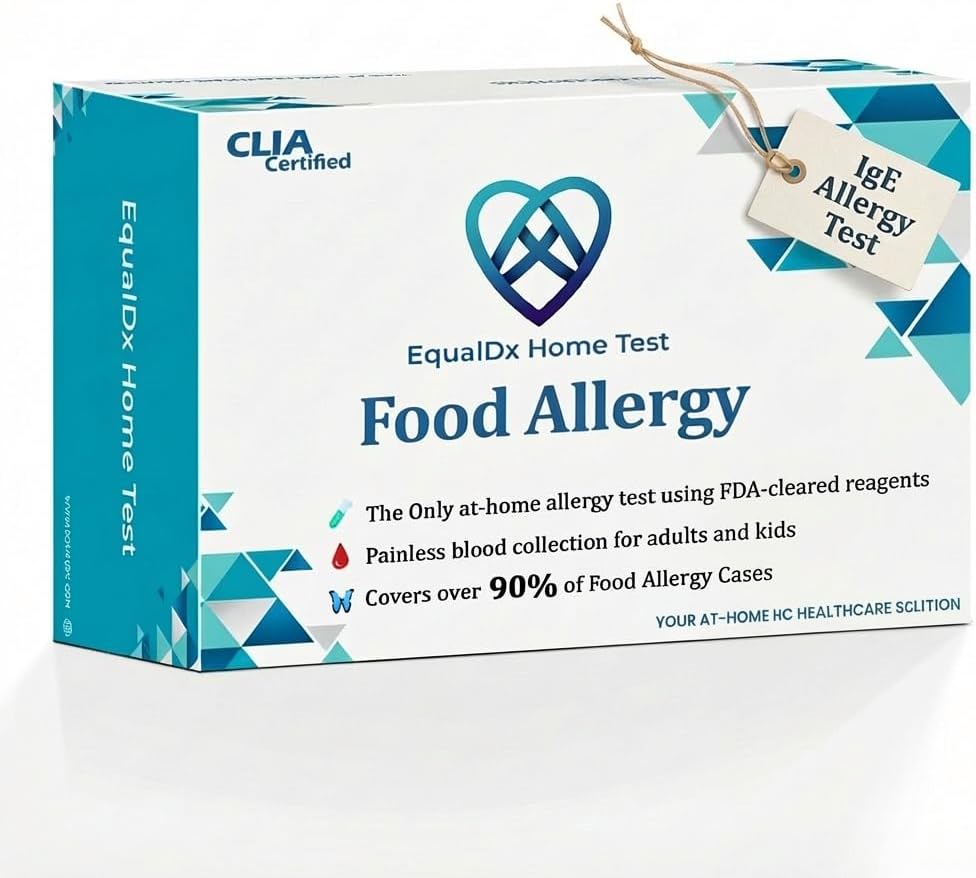
EqualDx screens for 16 clinically selected food allergens covering over 90% of U.S. food allergy cases — peanuts, milk, eggs, wheat, seafood, and more. Real IgE antibody testing, same method a doctor orders. Collection is painless with no finger pricks, usable for babies and toddlers.
Best for: Parents who want a medically credible result before or after a pediatric appointment.
2. EqualDx Food + Environmental Combo — Best Combo
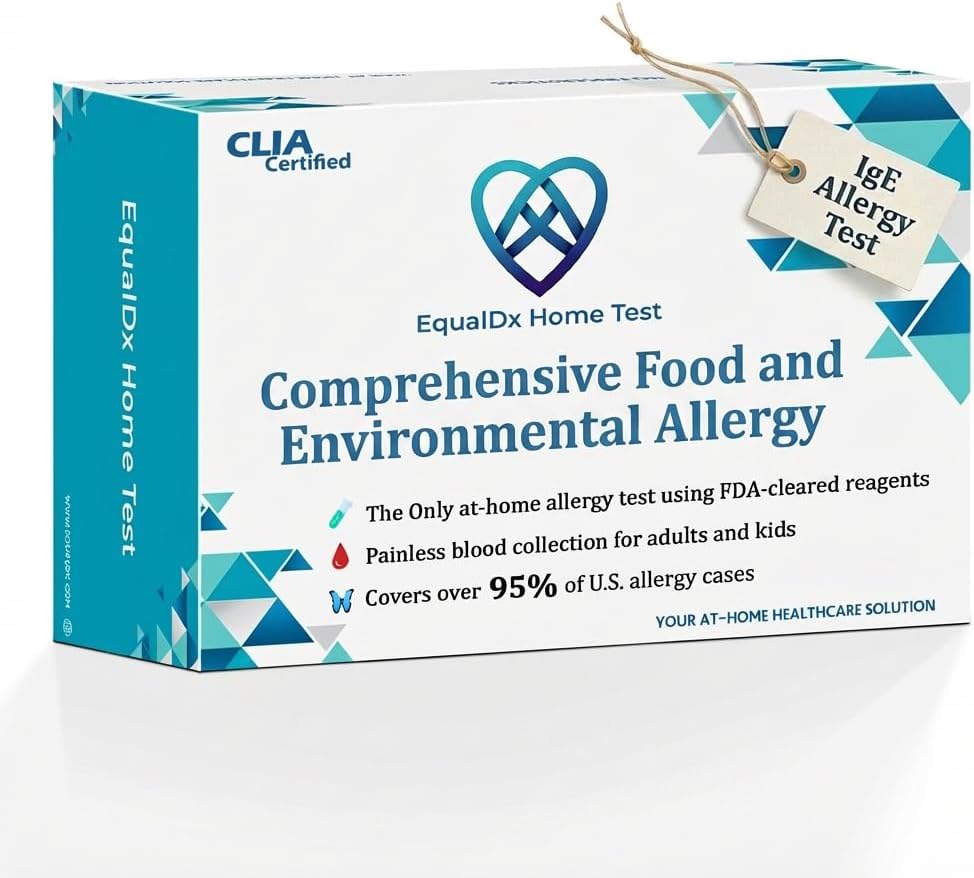
EqualDx’s fuller panel — 40 IgE-based allergens covering food and environmental triggers: dust mites, pet dander, pollen, and mold. Designed to cover 95-98% of real allergic reactions. Saves you buying two separate kits.
Best for: Kids with suspected food and environmental allergies, or those needing broader coverage after a basic food panel.
3. AllergyHero 295-Trigger Kit — Best for Broad Screening
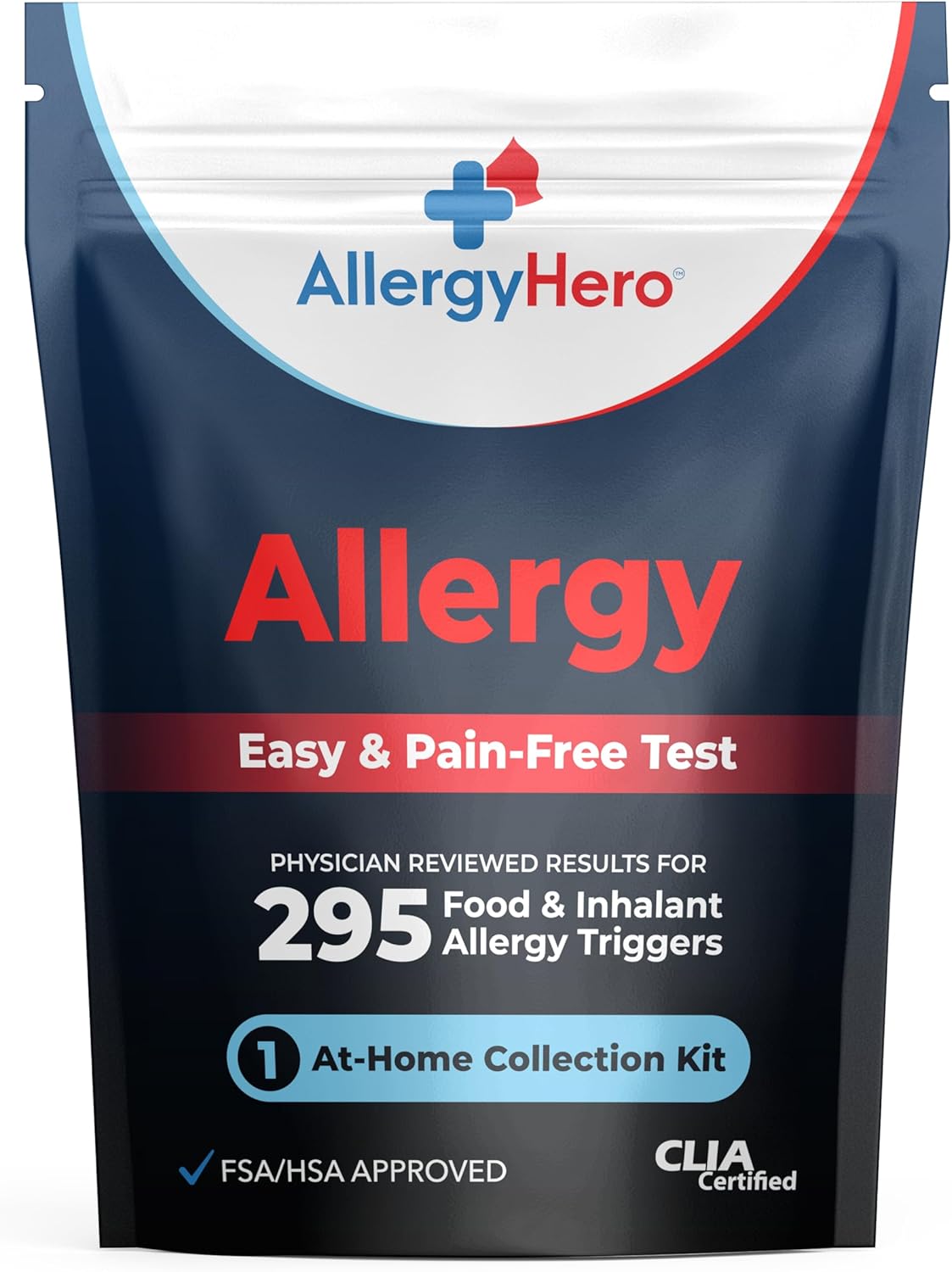
Screens across 295 food and environmental factors using IgG testing. Not diagnostic, but useful for surfacing patterns worth discussing with your pediatrician — especially for kids with chronic eczema flares or unexplained reactions. For babies with eczema, our guide to the best air purifiers for baby rooms covers how to reduce airborne triggers alongside any testing or introduction plan.
Best for: Parents who want a broad sensitivity overview and understand this is a screening tool, not a diagnosis.
4. 5Strands 950-Item Sensitivity Test — Best Budget Screen
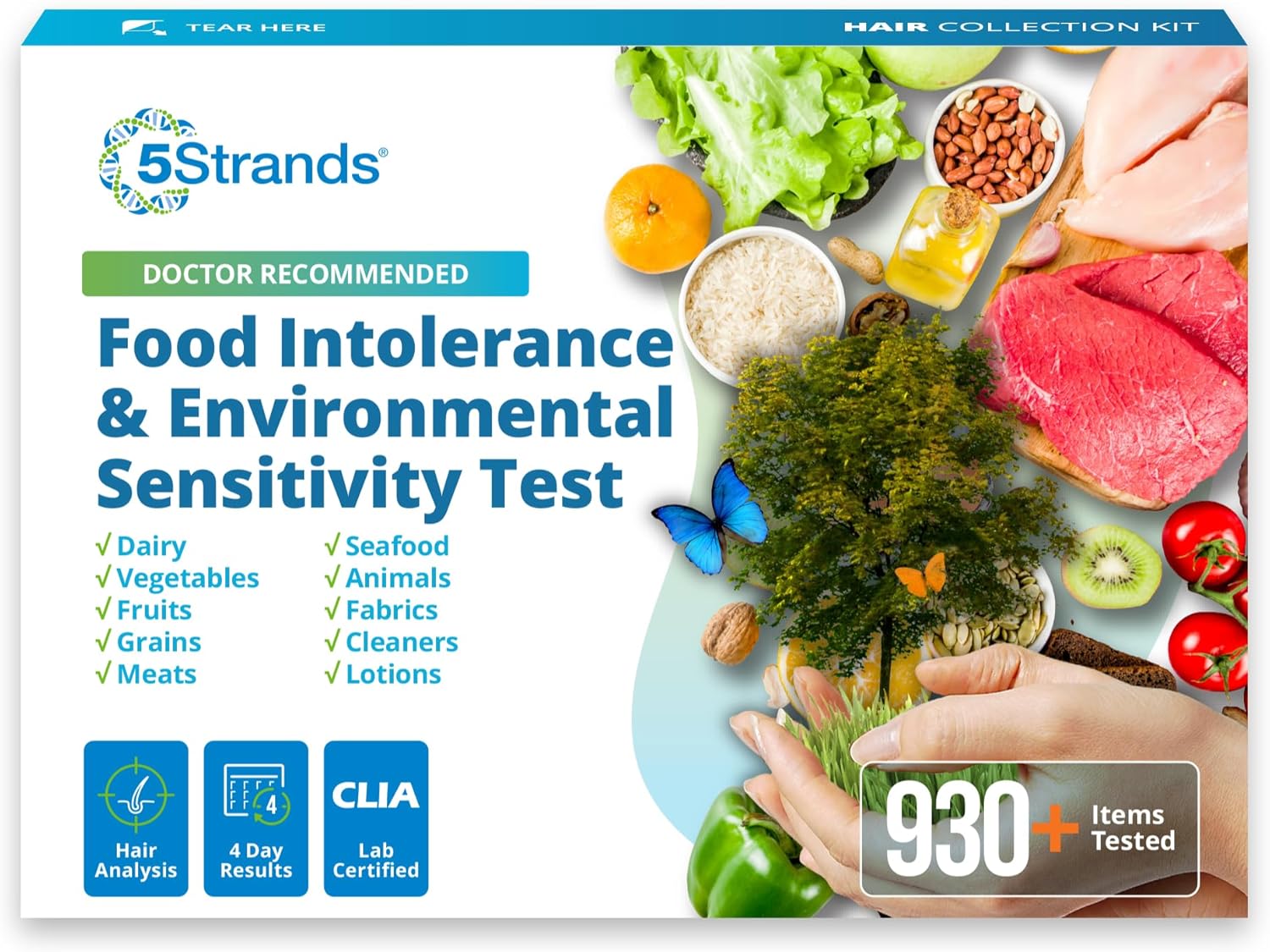
Screens 950 items across food, environmental, metals, and more. Not IgE-validated, but many parents find it useful as a starting point for elimination diets while waiting for a specialist appointment.
Best for: Budget-conscious parents who want a wide sensitivity screen and understand the limitations.
When to Skip At-Home Tests and See an Allergist
Call your pediatrician directly if your child has had any anaphylactic reaction (throat tightening, difficulty breathing, loss of consciousness), carries an EpiPen, or has eczema severe enough to require prescription treatment. These situations require in-office testing and specialist oversight.
At-home kits are best suited for low-stakes investigation — identifying patterns, narrowing down suspects before a doctor visit, or monitoring sensitivities. They are not a replacement for clinical testing when a true allergy is suspected.
What Happens at a Pediatric Allergist Appointment?
If your pediatrician refers you to an allergist, expect a skin prick test — tiny amounts of allergen extracts are placed on the forearm and pricked into the skin. Results come back within 15-20 minutes. Most children tolerate it well. The allergist will also take a detailed reaction history, which is often as important as the test results themselves.
Most pediatricians can refer you directly to a pediatric allergist, and doctor-ordered testing is typically covered by insurance.
This post is for informational purposes only and is not a substitute for professional medical advice. Always consult your child’s pediatrician or a board-certified allergist.
📋 Want a printable system to go with this?
The Baby’s First Allergens: Complete Starter Kit includes daily log tables for all 9 allergens, a day-by-day portion guide, a “What Counts?” cheat sheet, a First 30 Minutes reaction flowchart, and a fillable emergency action plan.
Get the Starter Kit — $4 →